
Grow
Sow the supplied vegetables or salad crops and care for them through the season.
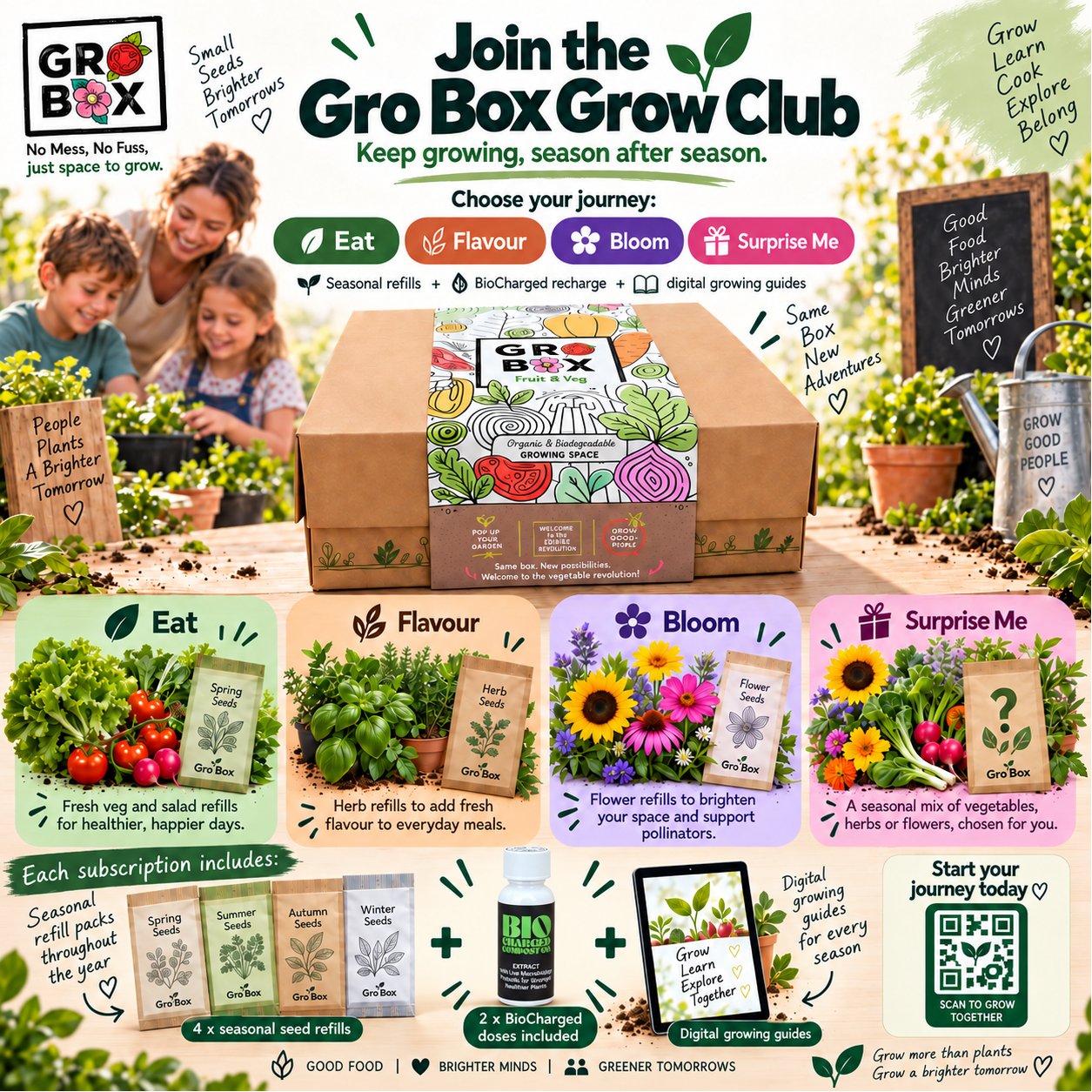
We are developing a simple growing route for families and children: grow vegetables in a Gro Box, follow the BioCharge Britain growing journey, harvest what you have grown and discover how fresh food can taste.
Agreement in principle with Gro Box. Final public offer, contents, claims and commercial terms remain subject to joint approval.

The idea is deliberately simple: give children a small growing space, let them take part in sowing, watering and harvesting, then make tasting part of the adventure.
In an informal family experience, Clive's children described freshly grown vegetables as sweet and enjoyable. That is an observation, not yet scientific evidence of why the taste differed. BioCharge Britain will treat taste as something to measure rather than assume.
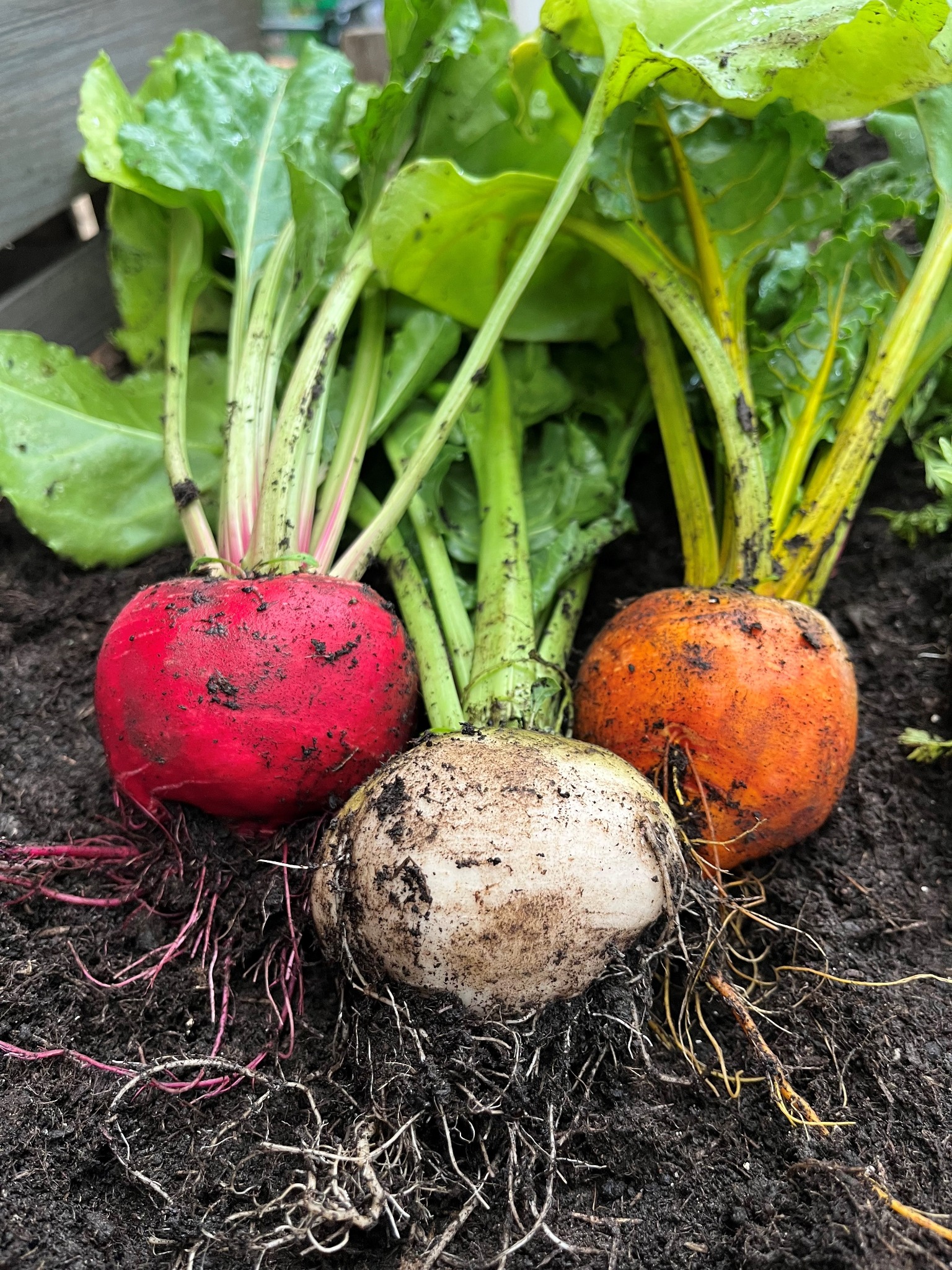
Pulling a vegetable from the soil gives children a direct connection between growing, harvesting and eating. That is the experience the Gro Box route is designed to encourage.
The programme can then turn that excitement into a simple comparison: taste what was grown, compare it with a similar shop-bought vegetable and record the child's preference.
The Gro Box route turns growing food into a hands-on learning experience rather than a lecture about healthy eating.
Sow the supplied vegetables or salad crops and care for them through the season.
Watch leaves, roots, flowers and fruit develop. Record simple observations as the plants grow.
Pick food at the point it is ready and involve children in preparing it safely.
Compare the home-grown harvest with a comparable shop-bought sample.
Record which one they prefer, plus simple flavour, crunch or texture scores.
GROW IT. PICK IT. TASTE IT. VOTE!
A parent or guardian prepares two similar-sized samples marked A and B: one from the Gro Box harvest and one of the same type bought from the family's normal shop. The child tastes both without being told which is which, then records a preference.
We record what they actually prefer. The result can tell us about preference in that family comparison, but it cannot by itself prove that BioCharged caused a taste difference because variety, freshness, storage, growing conditions and other factors can differ.
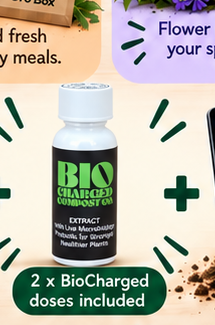
The proposed Gro Box system includes a 30ml finished BioCharged treatment bottle as one component of the growing journey, alongside the box, seeds or growing materials and simple instructions.
The bottle shown here is current concept artwork for the 30ml format. Final label wording, directions and regulatory claims should be approved before production.
Plants naturally produce sugars through photosynthesis, and sweetness can vary with crop variety, maturity, light, water, nutrition and many other conditions. We should not yet say that BioCharged makes vegetables sweeter because it avoids synthetic inputs or increases natural sugars.
Useful as a reason to investigate, but not enough on its own to establish the cause.
Structured taste voting can be paired with crop-appropriate measurements where the protocol supports them.
Use the same crop type and record variety, harvest timing and other obvious differences so results can be interpreted properly.
Gro Box can provide a complete small growing space for families who want to join BioCharge Britain without needing a conventional garden.