
01 / GARDENS
The Great British Wildlife Experiment™
Two matched plants. One treatment. One control. Compare plant performance, flowering and visible wildlife activity over time.
See the experiment →The Great British Wildlife Experiment™
1,000 gardens. 2 matched plants. 1 national experiment. Can changing the living biology around a plant change its health, flowering and the wildlife it supports?

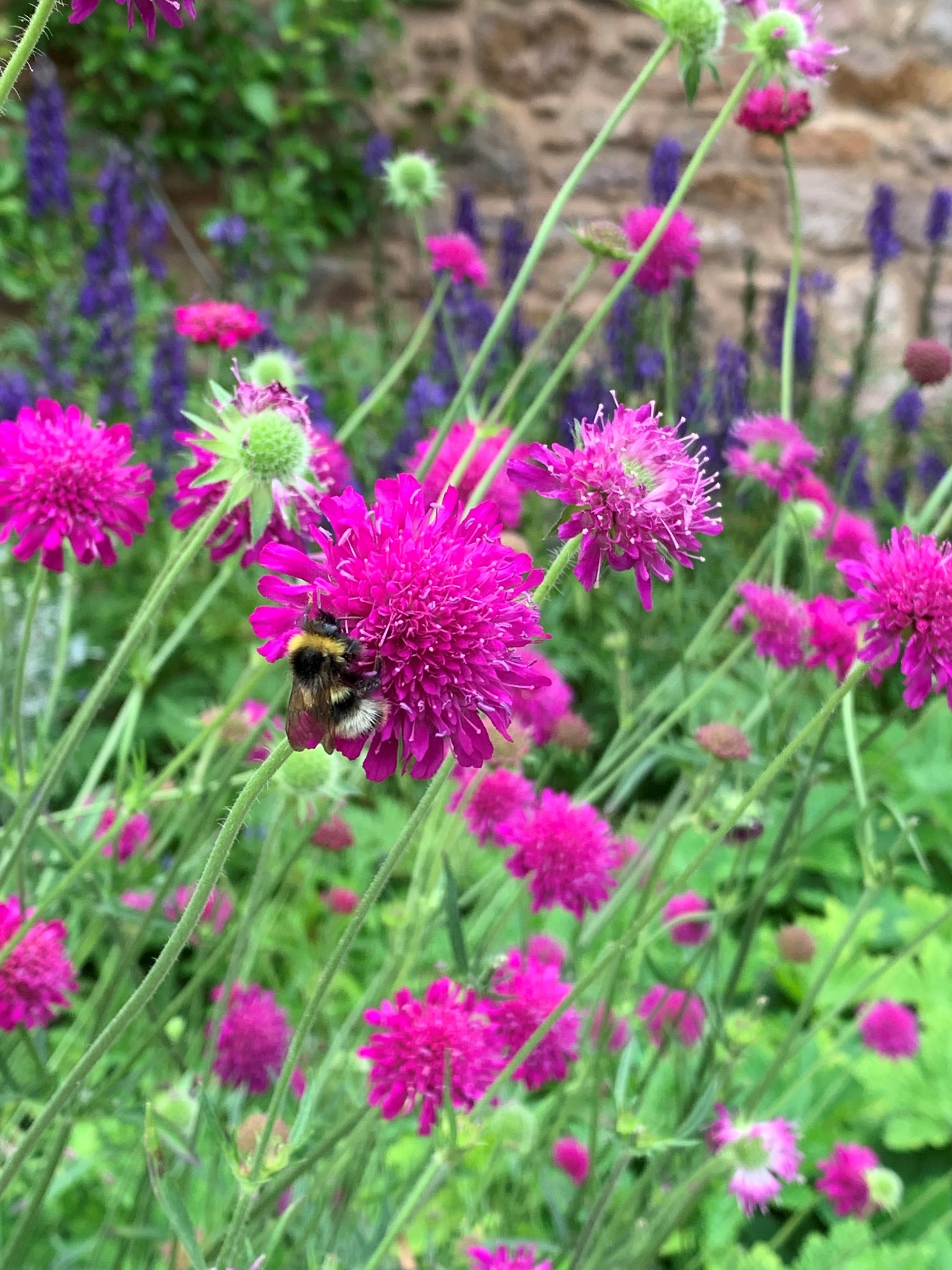
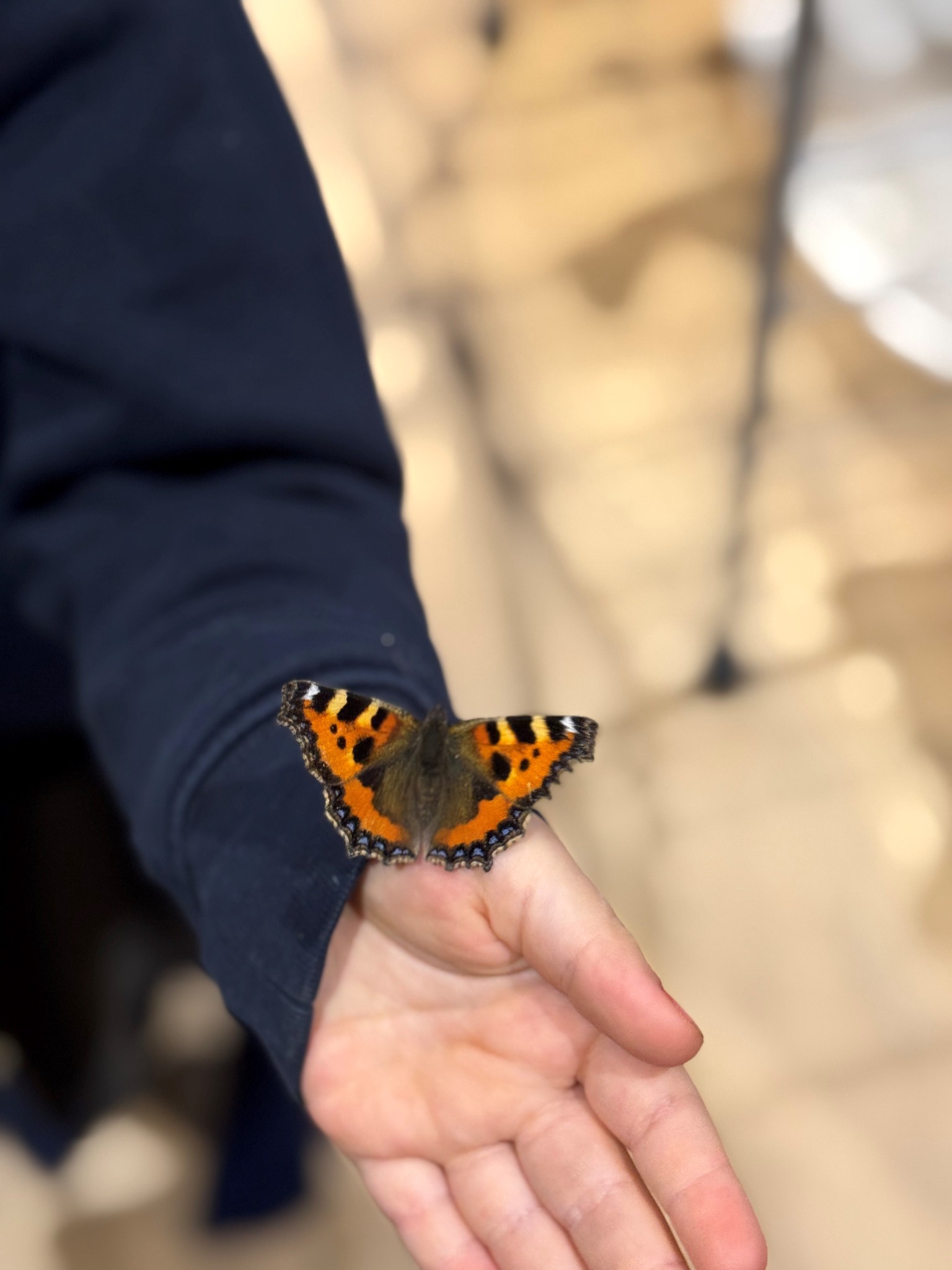
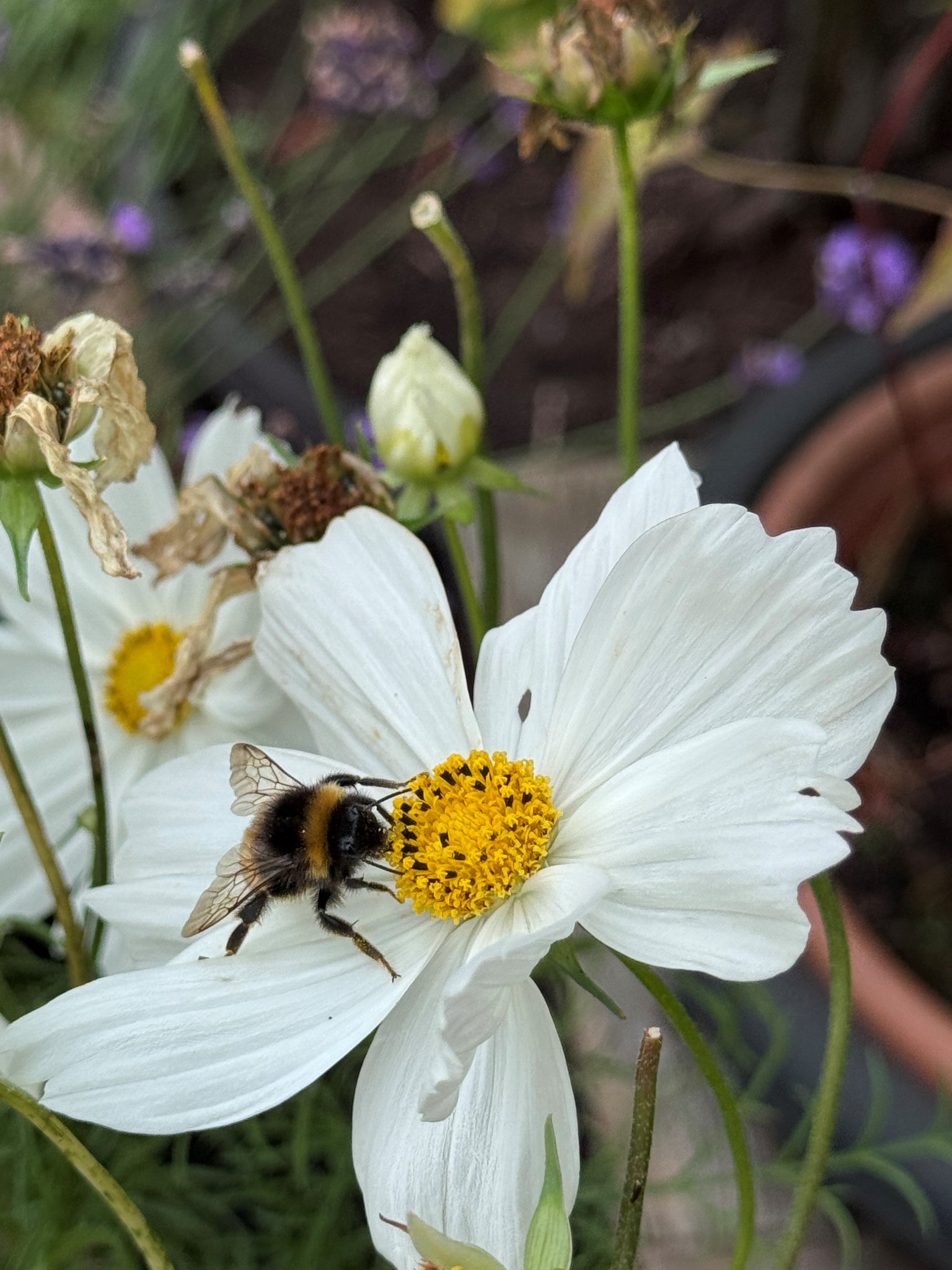
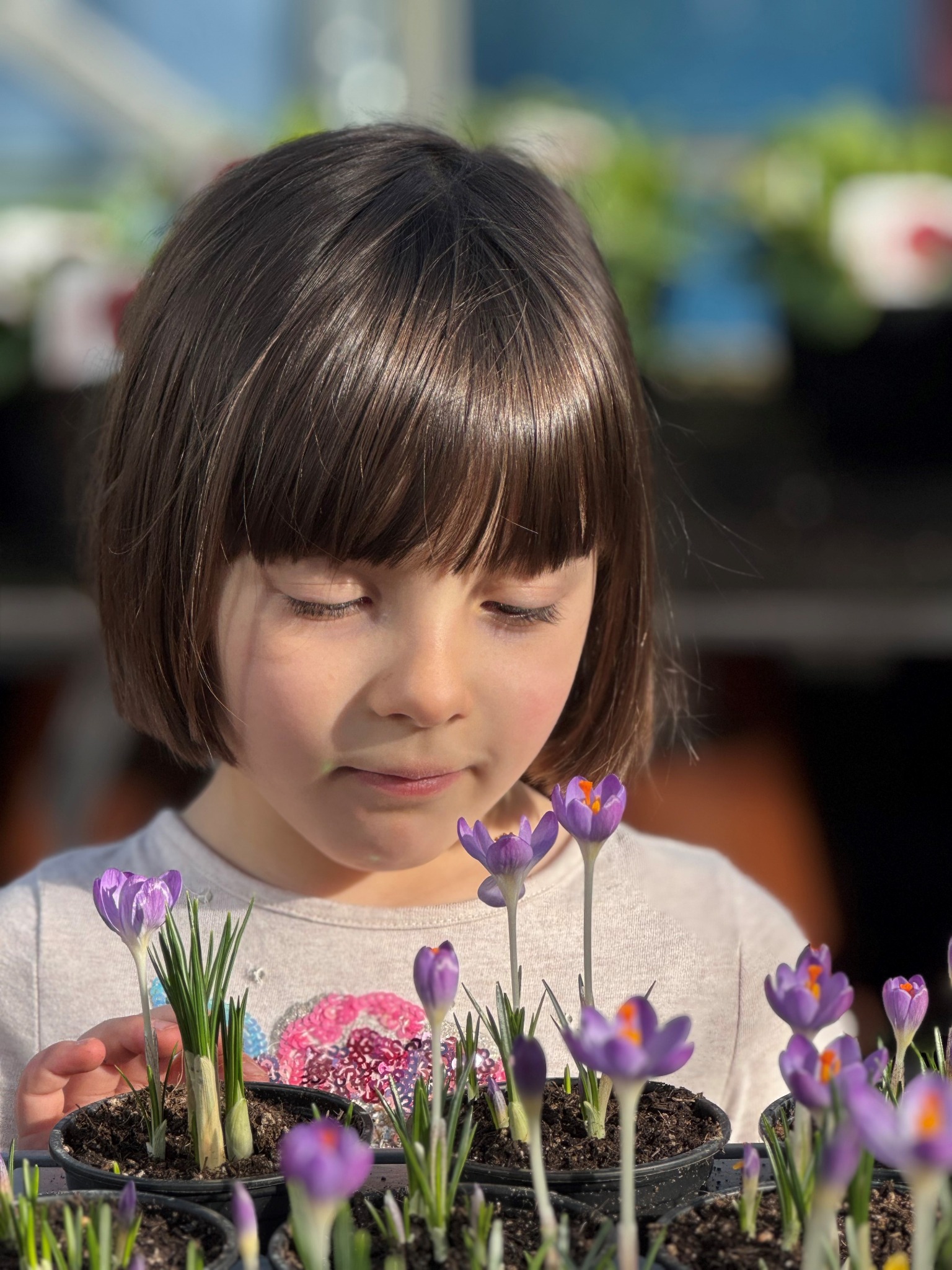
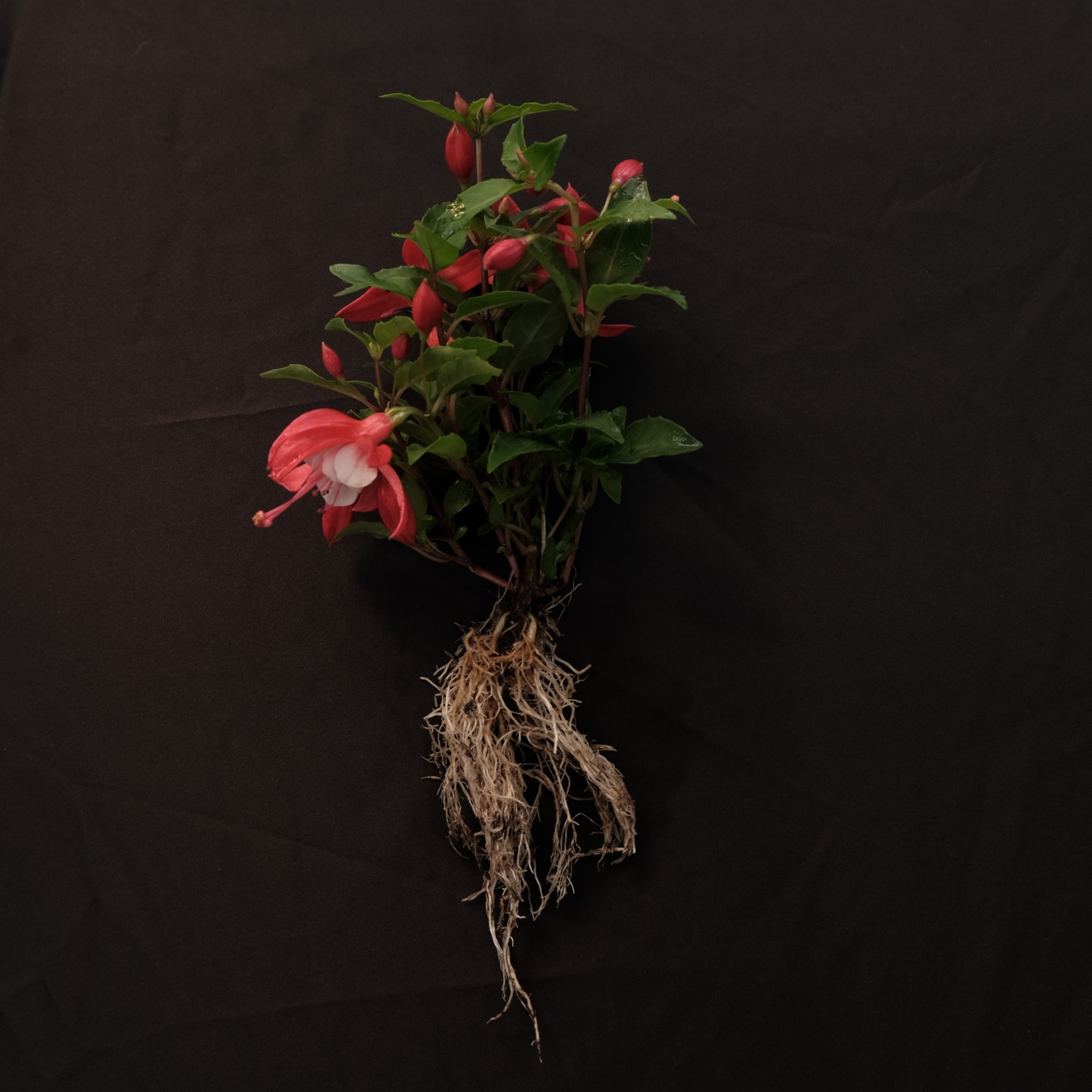
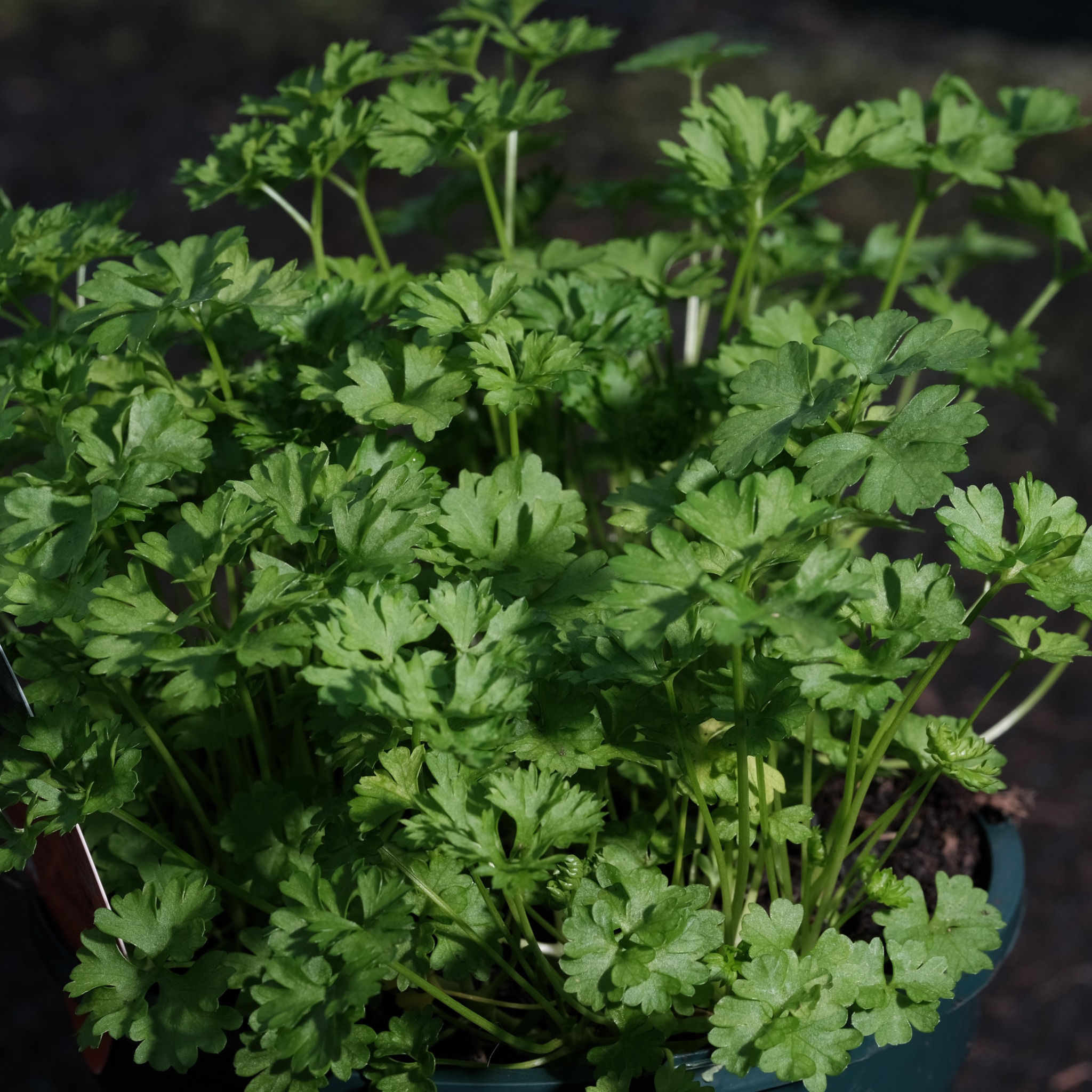
Real project photography: people, plants and pollinators at the heart of BioCharge Britain. Images illustrate participation and observation; they are not presented as proof of a treatment effect.
BioCharge Britain links public participation with structured horticultural trials and independent research. The aim is to find out what happens — not to predetermine the answer.
Two matched plants. One treatment. One control. Compare plant performance, flowering and visible wildlife activity over time.
See the experiment →Keep the existing growing medium. Test one added biological intervention across a structured 120-plant comparison.
See the nursery trial →Build a defensible evidence chain through controlled work, transparent results and deeper biological analysis.
Explore the evidence framework →The programme asks whether adding a living biological treatment can change measurable outcomes without replacing the growing system already in use.
Keep variety, medium, watering, position and other practical conditions as comparable as possible. Change only the planned intervention.
Participants record a baseline, follow the same core protocol, compare matched plants and contribute observations to a growing national dataset.
How the garden experiment worksBioCharge Britain and Gro Box are developing a child-friendly way to grow vegetables, learn where food comes from and take part in a simple harvest-and-taste experiment.

The first 1,000 gardens are a pilot. The long-term ambition is a national network that combines restoration action, comparable observations and public understanding of living soil.